

Student Workers in Events
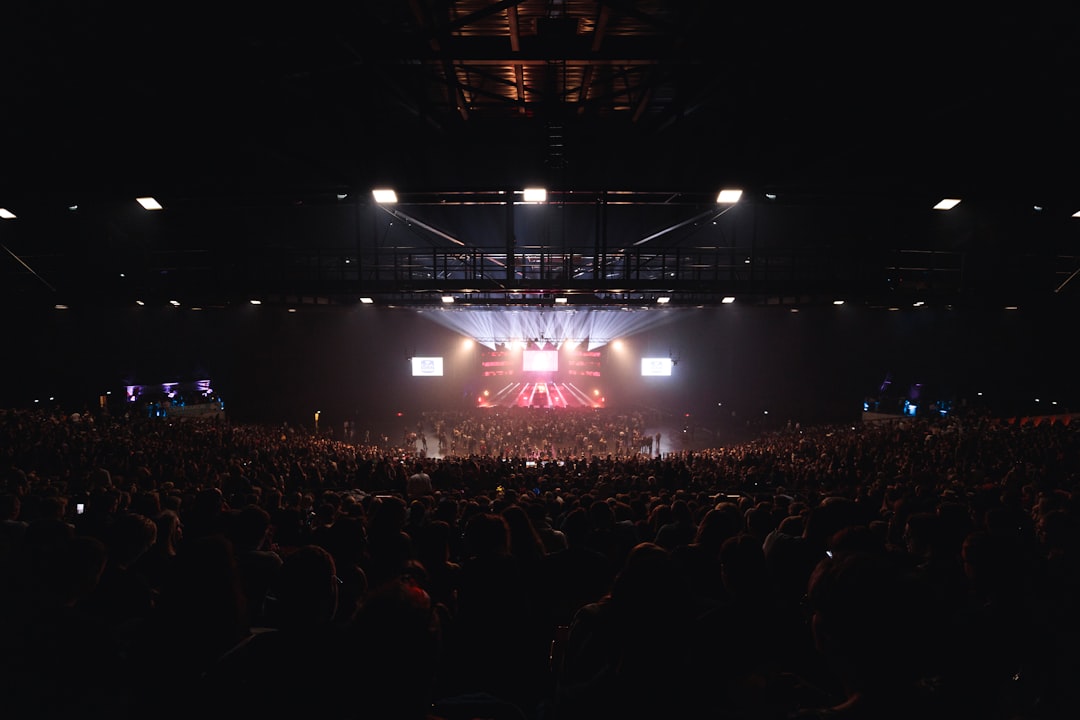
In brief: Student workers are the backbone of the Belgian events industry. Reception, service, runner, handling: they fill 40 to 60% of operational roles, especially in summer. But managing them requires strict compliance: 475 hours at reduced contributions, compulsory Dimona (Belgian employee registration) declarations, variable availability around exam periods, and a compliant student contract. This guide covers everything you need to know to integrate student workers into your event teams compliantly. Shyfter automatically tracks hour counters and declarations for each student worker.
Why events cannot function without student workers
Events are a peaks sector. Zero activity on Tuesday, 200 people mobilised on Saturday for a 500-guest gala. No company can maintain 200 full-time employees to meet this intermittent demand. Casual workers are the solution, and among them, student workers play a central role.
Student workers offer three concrete advantages: they are available at weekends (peak time for events), they are available en masse during summer holidays (festival season), and the first 475 hours benefit from reduced social contributions, cutting payroll cost by 25 to 30% compared to a regular worker.
For a caterer managing 10 events per month, student workers often make up half the operational team. Without them, quotes would be higher, margins thinner and some events simply impossible to staff.
The legal framework: the 475-hour allowance
The 475-hour principle
In Belgium, a student worker can work up to 475 hours per calendar year under student status, with reduced social contributions (approximately 8% instead of 25 to 30%). Beyond this threshold, normal contributions apply, which significantly increases the cost for the employer.
These 475 hours are counted across all employers. A student who has already worked 200 hours for another employer only has 275 hours remaining with you. You cannot control the hours worked elsewhere, which complicates tracking.
The Student@Work counter
The NSSO provides an online counter (Student@Work) showing the remaining hour balance for each student worker. Ask each student worker to provide their balance certificate before assigning them to an event. Integrate this data into your management system.
With Shyfter, each student worker's hour counter is automatically updated as assignments are completed. When a student approaches the threshold (for example at 420 hours), an alert notifies the manager. No more nasty surprises mid-season.
The consequences of exceeding the limit
A student worker who exceeds 475 hours loses the benefit of reduced contributions, retroactively for the current quarter. The additional cost to the employer can reach 15 to 20% of gross wage per excess hour. At a summer festival with 30 student workers, a single undetected overrun can cost several thousand euros.
Dimona declarations for student workers
The declaration obligation
Each assignment by a student worker must be subject to a specific Dimona (Belgian employee registration) declaration (STU type) before work begins. The declaration states the start and end dates, and the number of planned hours. In events, where a student worker may work a single day for a single event, the volume of declarations is considerable.
Volume during high season
A caterer mobilising 20 student workers every weekend during festival season (June–August) generates 240 to 320 Dimona declarations per month just for student workers. Adding non-student casual workers brings the total to 400+ declarations. Automation via Shyfter is no longer a luxury: it is an operational necessity.
Common errors
The most frequent Dimona declaration errors with student workers:
- Missed declaration for a student worker added at the last minute
- Wrong declaration type (regular employee instead of STU)
- Incorrect dates (declaration for Saturday when the student also works Sunday)
- No update when a schedule is cancelled or modified
Each error exposes the employer to NSSO penalties. Automation eliminates most of these risks.
The student employment contract: the obligations
The compulsory written contract
A student employment contract must be signed before work begins. The contract states the duration, schedule, remuneration, job description and working conditions. In events, where assignments are often one-off (a single event), it is tempting to skip this formality. That is a major legal risk.
Managing contracts in volume
When you are engaging 20 different student workers every weekend, contract management becomes a process in itself. Prepare contract templates by assignment type (service, reception, technical, handling) and send them to student workers before the event, ideally via the app for digital signature.
Typical roles for student workers in events
Service (waiter, bartender, commis)
The most common role for student workers. Tray service, buffet or bar service. Training is quick (15 to 30-minute briefing), with progressive skill development. A student worker who has done 5 events is an operational waiter. After 15 to 20 events, they can take on a head waiter role.
Reception (hostess, steward, cloakroom)
First-contact role with guests. Requires good presentation, a natural smile and the ability to manage flow. Students in communications, tourism or languages are particularly well suited. For international events, language skills (Dutch, English) are a differentiating asset.
Runner
The Swiss Army knife of events. The runner links teams, handles unexpected situations, moves equipment and handles last-minute errands. It is the most versatile role and often the most formative. Student workers who start as runners discover all aspects of the events business.
Handling (setup and breakdown)
Setup and breakdown employs student workers for handling tasks: unloading trucks, installing furniture, erecting barriers, cleaning. It is physical work, often early morning or overnight. Students who are sporty or used to physical work adapt well.
Student worker availability: a seasonal schedule
The typical calendar
- September–November: weekends only. Students return to class and limit their assignments to Saturday and Sunday.
- December: availability spike for year-end celebrations (gala dinners, company receptions), but start of revision period for the January exam session.
- January: almost zero availability. Exam period. Do not count on student workers.
- February–May: gradual return. Weekend availability, with a drop in May–June for the exam session.
- Second half of June – August: maximum availability. Exams are over, holidays begin. This is the ideal period, coinciding with festival season.
Anticipating quiet periods
During exam sessions (January, June), your student worker pool empties. Anticipate this by increasing the share of non-student casual workers in your schedule for these periods. A pool made up of 100% student workers is vulnerable twice a year.
Recruiting student workers for events
Effective channels
Student workers look for event jobs for the atmosphere, flexibility and pay. The most productive channels:
- Student job platforms (Student.be, Jobat, etc.)
- Social media groups (student jobs by city)
- Partnerships with universities and colleges (student employment offices)
- Word of mouth between students (your best channel: one satisfied student worker brings three more)
- Presence at student job fairs
Retention
Training a student worker takes time. A student worker who knows your methods, clients and standards is more valuable than a new one. Invest in retention: fast payment (student workers need cash flow), good working conditions, clear communication, access to the best assignments for the most reliable workers.
Shyfter supports this retention by giving student workers visibility over available assignments, the ability to confirm in one tap and a complete history of their assignments and earnings.
Hour tracking: protecting the student worker and the employer
Automated time tracking
Mobile time tracking is particularly important for student workers. Each hour is automatically recorded and feeds into the 475-hour counter. No manual entry, no approximation, no risk of error.
Threshold alerts
Configure alerts at 400 hours (attention signal), 440 hours (orange alert) and 460 hours (red alert). These alerts allow you to anticipate an overrun and redirect assignments to other student workers whose counters are less advanced.
The multi-employer student worker scenario
A student worker who works for you and two other caterers consumes their 475 hours three times faster. You have no visibility over hours worked elsewhere. The only protection is to regularly check the balance via Student@Work and integrate this information into your system.
Summer events: the student worker rush
Festival season
From late June to late August, festivals follow in quick succession. Student workers are massively available and make up 50 to 70% of the workforce. This is the ideal time to maximise the use of student workers, but also the time when the risk of exceeding 475 hours is highest.
A 3-day festival with 10-hour shifts consumes 30 hours per student worker. Four festivals in July, and the student has already worked 120 hours just for you, not counting hours with other employers.
Managing the quota in summer
Diversify your assignments. Do not give all festivals to the same student worker. Distribute hours across multiple students to optimise quota usage. A student with 300 hours remaining can do two festivals. A student with 100 hours remaining should only do one.
Shyfter shows each student worker's hour balance when assigning them. The manager immediately sees whether a student has enough available hours for the proposed assignment.
Joint Committee 304 compliance for student workers
Student pay scales
Student workers in events generally fall under Joint Committee 304 (entertainment) or Joint Committee 302 (hospitality) depending on the employer's main activity. Minimum pay scales apply, even for student workers. Verify that your remuneration meets the minimum for the applicable joint committee.
Night and weekend work
Events mainly take place in the evenings and at weekends. Premium rules apply to student workers just as to other workers. A student worker working on a Sunday evening from 6pm to midnight is entitled to Sunday and night premiums. Factor these costs into your quotes.
Centralising student worker management in Shyfter
A scheduling tool designed for events handles student worker specifics:
- "Student worker" status with integrated 475-hour counter
- Automatic alerts when approaching the threshold
- STU Dimona declarations generated automatically
- Hour balance visible when assigning
- Availability managed by the student worker from the app
- Complete assignment history per student worker
- Data export to the social secretariat
FAQ
What happens if a student worker exceeds 475 hours mid-season?
The student worker loses the benefit of reduced social contributions for the current quarter. The employer must pay normal contributions (approximately 25% instead of 8%) on all hours in the quarter of the overrun. Over a summer month with 80 hours worked, the additional cost can reach 800 to 1,200 euros per student worker. This is why automated counter tracking is essential: Shyfter alerts the manager well before the threshold to allow reassignment to other student workers.
How do you check the hour balance of a student worker who also works for other employers?
Ask the student worker to provide an up-to-date Student@Work certificate. This certificate, available online via the social security portal, shows the number of hours already worked and the remaining balance for the calendar year. Request an update at least monthly in high season, and before each event for student workers whose balance is below 100 hours. Integrate the declared balance into Shyfter for real-time tracking.
Can a student worker do a night shift in events?
Yes, student workers aged 18 and over can work at night. For minor student workers (16–17 years), work is prohibited between 8pm and 6am, except under a limited sector derogation. In events, shifts frequently end after midnight. Prioritise adult student workers for evening events. For minors, limit assignments to daytime events (seminars, daytime setup). Night premiums apply to student workers just as to other workers.
Other events industry guides
- Events (hub)
- Event scheduling: complete guide
- Managing casual workers in events
- Joint Committee 304/302: obligations in events
- Dimona (Belgian employee registration) in events
- On-site time tracking for events
- Festival and concert scheduling
- Corporate event scheduling
- Setup and breakdown scheduling
- Staff cost per event
- Event security scheduling
- Event scheduling software