Schedule management in a dental practice

In brief: In a dental practice, the schedule is dictated by appointments, coordination between dentists and assistants, and sterilisation time between patients. Add emergency slots and extended hours, and manual management quickly holds you back. Shyfter lets you structure your staff scheduling by chair, coordinate roles and follow hours with built-in time tracking. The result: better-filled days, less downtime and a team that knows exactly where it needs to be.
Why scheduling a dental practice is a precision exercise
A dental practice does not work like a shop. Every minute counts, every chair has a fixed cost, and the slightest delay spreads across the whole day.
A schedule driven by appointments
95% of the activity is by appointment. A scale and polish takes 30 minutes. A filling, 45 minutes to 1 hour. Fitting a crown, up to 90 minutes. Each type of treatment has its own duration, and the schedule must reflect this. A 30-minute slot given to a root canal treatment means a patient left waiting and a schedule that runs late for the rest of the day.
Sterilisation time between patients
After each patient, the chair must be cleaned and the instruments sterilised. Allow 10 to 15 minutes depending on the treatment. This time cannot be squeezed: no sterilisation, no next patient. If your schedule does not include these intervals, delays are inevitable. A practice with 3 chairs that ignores this time loses up to 90 minutes a day, which means 2 to 3 fewer patients.
Coordinating dentists and assistants
Each dentist needs an assistant for most treatments: preparing the chair, assisting during the procedure, handling sterilisation. In a practice with 2 dentists and 1 assistant, coordination becomes a puzzle. The assistant cannot be at two chairs at once. The schedule must synchronise treatments that need assistance to avoid conflicts.
Emergency slots
Dental emergencies (toothache, broken tooth, abscess) come without warning. A practice that does not plan emergency slots loses these patients to a competitor who keeps one or two slots free each day. In practice, reserve 2 to 3 slots of 30 minutes a day for emergencies. If they are not used, they absorb accumulated delays.
Hours that suit patients
Patients work during the day. The most requested slots are before 9am, between 12pm and 2pm, and after 5pm. A practice that only opens from 9am to 5pm loses part of its patients. Covering these extended time slots requires rotations within the team.
The real problems of a poorly organized schedule
Empty chairs between two patients. If the schedule does not account for sterilisation time, one of two things happens: either the next patient waits (and gets impatient), or the chair stays empty for 20 minutes (and you lose revenue). Either way, the schedule is inefficient.
Assistant conflicts. Two dentists plan a treatment that needs assistance at the same time, but only one assistant is available. One of them has to wait. So does the patient.
Emergencies that disrupt everything. A patient calls with an abscess at 10:30am. No slot is free. The dentist moves an appointment, which creates a domino effect on the whole afternoon. With planned emergency slots, the patient is seen without disrupting the rest of the day.
Unexpected overtime. The last patient of the day needs a longer treatment than planned. The dentist and the assistant stay 30 minutes longer. Over a month, these overruns add up to significant overtime, often not budgeted.
Organizing the dental schedule with Shyfter
Schedule by chair and by dentist
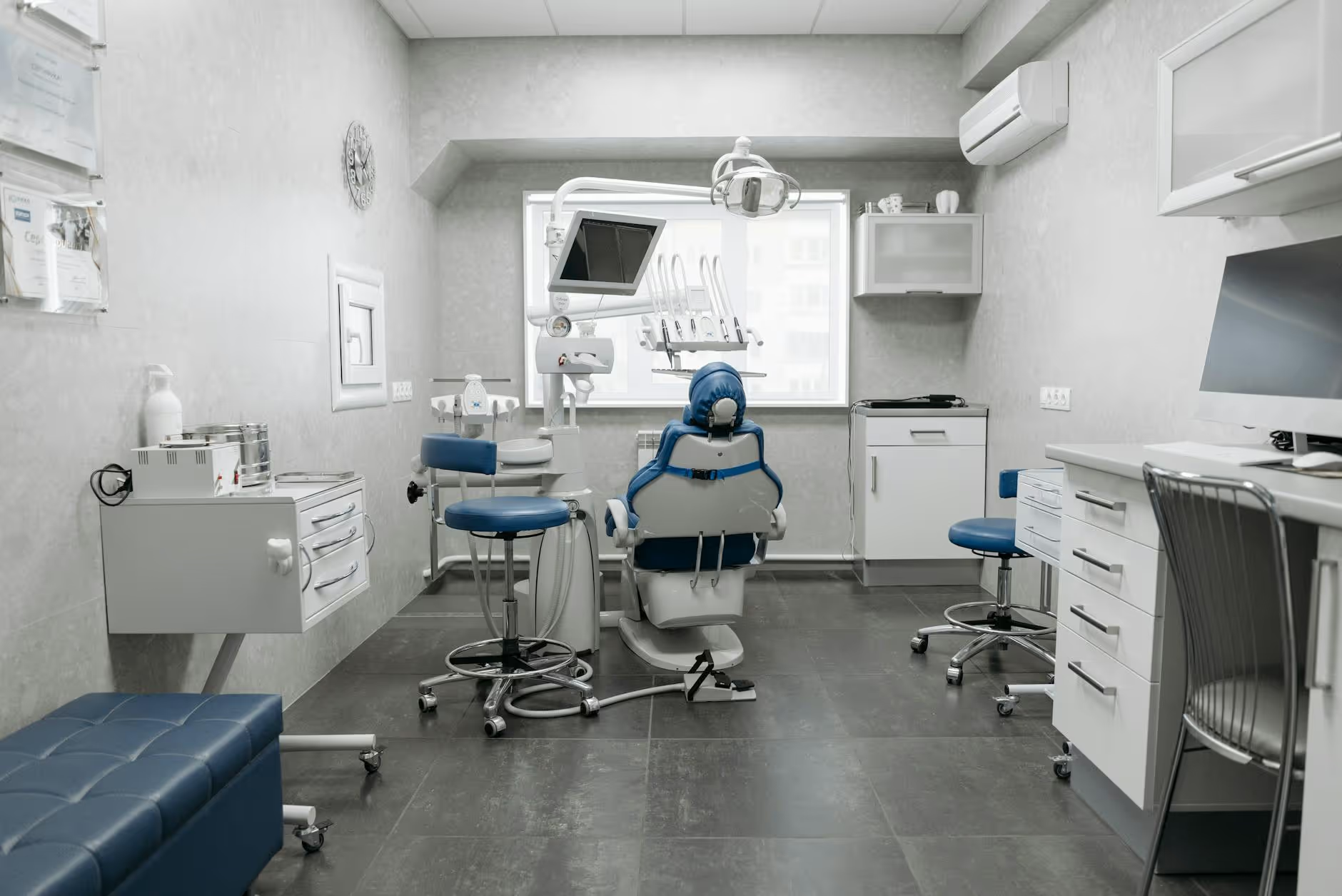
Create a view per chair in Shyfter. Each chair has its slots, its durations per type of treatment and its transition times. You see at a glance which chair is busy, which is being sterilised and which is available. The schedule becomes visual and easy to read.
Include sterilisation times
Set a buffer between appointments: 10 minutes for a scale and polish, 15 minutes for a more complex treatment. Shyfter automatically blocks these slots and does not let you book a patient during the cleaning phase. Cascading delays disappear.
Coordinate roles
Assign roles in Shyfter: dentist, dental assistant, receptionist, hygienist. The schedule checks that every treatment needing assistance has an assistant available in the same slot. If a conflict arises, you see it before publishing the schedule.
Reserve emergency slots
Block 2 to 3 slots of 30 minutes a day for emergencies. These slots appear as "reserved for emergencies" in the schedule. If they are not used by 10am, release them for normal appointments or use them to catch up on any delay.
Manage shift rotations
Set up rotations to cover early mornings (8am to 9am) and late afternoons (5pm to 7pm). With Shyfter, define rules: no more than 3 evenings a week per employee, alternating mornings and evenings every week. The schedule applies these rules automatically.
Time tracking and hours
Quick, discreet time tracking
In a dental practice, time tracking is done on a tablet in the staff area or on a smartphone. Each employee records their arrival and departure times in a few seconds. No time clock visible in the waiting room.
Tracking overruns
A treatment that takes longer than planned, an emergency patient at the end of the day: overruns are frequent in dentistry. Shyfter records actual hours and automatically calculates overtime. You see in real time whether an employee is approaching the weekly limit.
Hours by type of service
How many hours went into restorative care this week? What is the average time per type of treatment? This data helps you optimize slot lengths and adjust the schedule to reality.
Payroll export
Normal hours, overtime and evening premiums: everything is exported to your payroll provider in one click. In Belgium, Shyfter works with SD Worx, Securex, Acerta, Liantis and more than 50 other partners. See the integrations page for the full list.
Managing leave and absences
Leave in a small team
A dental practice of 5 to 10 people has no margin. If the main assistant is on leave and no replacement is planned, treatments that need assistance must be postponed. Leave management in Shyfter automatically checks the impact of each absence on role coverage.
Unexpected absences
A dentist off sick on a Monday morning means a whole day of appointments to reschedule. Shyfter immediately identifies the affected slots and makes rebooking easier. If another dentist in the practice has availability, you see it in real time.
Annual closure
Many practices close for 2 to 3 weeks in summer and for a week between Christmas and New Year. Plan these closures in Shyfter at the start of the year so the team's leave is organized around these fixed periods.
Compliance and obligations
Regulatory framework
In Belgium, a dental practice is subject to the general rules of Belgian labor law: maximum working time, rest between working periods and weekly rest. Dimona declarations (the mandatory registration of employees with Belgian social security) are required for every hire, including temporary replacements. Shyfter generates these declarations automatically.
Hygiene and sterilisation
Sterilisation protocols require cleaning times between patients that cannot be shortened. Your schedule must respect them. By building these times into Shyfter, you also document compliance with the protocols in case of an inspection.
What Shyfter changes for your practice
Before: a paper diary or appointment software that does not handle roles, assistant conflicts spotted too late, sterilisation time ignored and a manual payroll export.
With Shyfter: a schedule per chair with built-in transition times, automatic role checks, reserved emergency slots and a one-click payroll export.
Other healthcare professionals use Shyfter: discover the solutions for pharmacies, medical practices and radiology practices.
FAQ
How do I avoid cascading delays in the schedule?
Build a buffer of 10 to 15 minutes between appointments for sterilisation and chair preparation. Set realistic durations per type of treatment, based on your actual data rather than optimistic estimates. Reserve 2 to 3 emergency slots a day to absorb the unexpected without pushing back the following appointments.
How do I run a practice with 2 dentists and only 1 assistant?
Alternate treatments that need assistance between the two chairs. While the assistant helps one dentist, the other performs a treatment without assistance (simple scale and polish, consultation) or prepares the next patient. Shyfter shows you assistant conflicts before the schedule is published.
How do I optimize chair occupancy?
Analyze unused slots in Shyfter: at what times of day do the chairs stay empty? Offer appointments in these slots first. Use unused emergency slots for short treatments. The target occupancy rate is between 85 and 90%, the rest being reserved for emergencies and transitions.